
Have you ever stepped into a new place, like London, and felt slightly different, as if the city had quietly shifted something inside you? Travel does that. It nudges identity in subtle ways. This piece explores how movement across cultures shapes who we are, why it matters today, and how global trends are making that process more complex, personal, and, at times, amusingly contradictory.
The Self You Pack Versus the One You Meet
Most people believe they travel with a stable sense of self, neatly folded like clothes in a suitcase. Yet the moment you navigate unfamiliar streets or customs, that identity begins to stretch. Ordering tea in a café abroad or figuring out public transport reveals habits you never noticed at home.
Psychologists often describe identity as fluid, but travel makes that theory tangible. You realise quickly that your “normal” is not universal. A Pakistani traveller in Paris might notice how direct communication feels, while a Brit in Tokyo might become acutely aware of politeness rituals. These contrasts do not erase identity; they sharpen it.
Roots, Routes, and the Question of Belonging
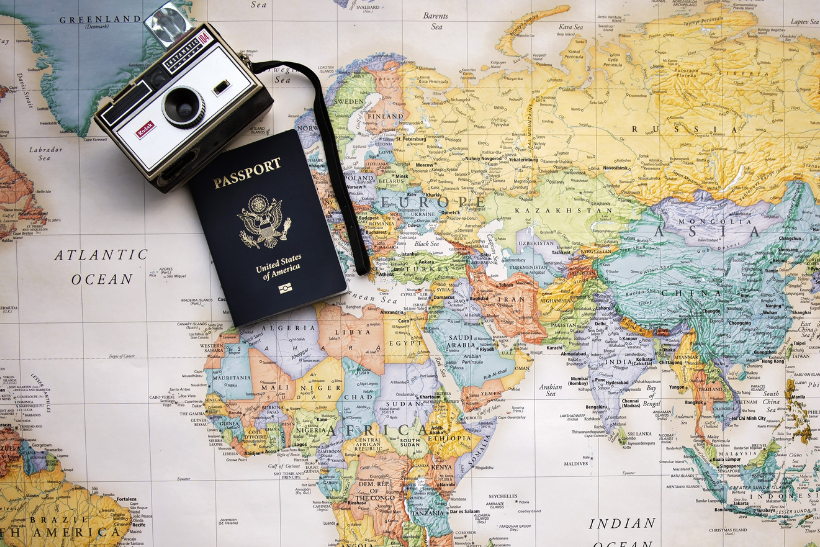
As mobility increases, more people are exploring ancestral ties alongside tourism. The growing interest in heritage travel reflects a deeper desire to understand where one fits within a wider story. For some, this includes legal or cultural reconnections, such as applying for British citizenship by descent, which turns a historical link into a present identity marker.
This trend is not just bureaucratic. It reflects a broader societal shift where identity is no longer fixed to one place. Diaspora communities are increasingly navigating multiple affiliations, blending tradition with modern global life. The irony lies in how paperwork and passports now shape emotional belonging, turning identity into both a personal journey and an administrative process.
Social Media and the Curated Self Abroad
Travel used to be private reflection with occasional postcards. Now it is a curated performance. Platforms like Instagram and TikTok encourage travellers to present polished versions of themselves in exotic settings, often blurring authenticity with aesthetics.
While this can inspire others, it also creates pressure to “perform” identity. People may choose destinations based on visual appeal rather than genuine interest. The result is a strange paradox: travel is meant to expand the self, yet social media can reduce it to a series of filters and captions. Recognising this tension is key to maintaining a more grounded sense of self.
Cultural Immersion Versus Cultural Consumption

There is a difference between experiencing a culture and consuming it. Visiting landmarks and trying local food offers a glimpse, but true immersion requires effort. Learning a few phrases of the local language or understanding social norms can transform a trip.
Current debates around overtourism highlight this issue. Cities like Barcelona and Venice are pushing back against superficial engagement that strains local resources. Travellers who approach cultures with curiosity rather than entitlement tend to gain more meaningful insights, and they leave a lighter footprint.
Identity in a Time of Global Uncertainty
Recent global events, from the pandemic to geopolitical tensions, have reshaped how people travel and think about identity. Borders closed, mobility paused, and many individuals were forced to reconsider what “home” meant.
Now, as travel resumes, there is a renewed awareness of privilege and access. Not everyone can move freely, and this reality influences how identity is formed. For some, travel is a choice; for others, it is tied to migration or necessity. Understanding this distinction adds depth to the idea of cultural discovery.
The Role of Language in Shaping Perspective

Language is more than communication; it frames how we think. Travelling exposes you to different linguistic structures, which can subtly shift your worldview. Even basic interactions in another language can make you more patient and observant.
For instance, languages that emphasize formality can make you more conscious of social hierarchies, while others that are more relaxed may encourage openness. These experiences highlight how identity is not just internal but shaped by the tools we use to engage with the world.
Practical Ways to Travel With Intention
To make travel a genuine tool for self-discovery, small changes in approach can have a big impact. Start by researching cultural norms before arriving, not just tourist highlights. This shows respect and prevents awkward misunderstandings.
Engage with locals whenever possible, whether through guided experiences or casual conversations. Avoid over-scheduling your itinerary, as unplanned moments often lead to the most meaningful insights. Finally, reflect on your experiences, perhaps through journaling, to connect external observations with internal growth.
When Travel Challenges Your Assumptions

One of the most powerful aspects of travel is how it quietly dismantles assumptions you did not even realise you held. You might expect efficiency everywhere, only to find that some cultures value relationships over punctuality, or you may assume shared humour translates easily, only to be met with polite confusion. These moments can feel uncomfortable, but they are where real growth happens.
Instead of resisting these differences, leaning into them can reshape your perspective in lasting ways. Paying attention to what surprises or frustrates you reveals more about your own conditioning than about the place you are visiting. In that sense, travel becomes less about discovering others and more about uncovering hidden layers of yourself.
The Irony of Finding Yourself Elsewhere
There is something quietly ironic about travelling thousands of miles to understand who you are. Yet this contradiction lies at the heart of cultural discovery. By stepping outside familiar environments, you gain clarity about your own values and assumptions.
In a world where identities are increasingly hybrid and global, travel acts as both a mirror and a magnifying glass. It reflects who you are while enlarging the details you might otherwise overlook. The journey does not provide definitive answers, but it does offer better questions, and that may be the most valuable discovery of all.

More Blog Posts
- How to Set Up a US LLC as a Non-Resident Digital Nomad (and Pay Zero Taxes Legally)
- Bangkok: 10 Free Coworking Spaces And Work-Friendly Cafes (Open 24-7!)
- How Digital Nomads and Content Creators Make Money in 2026 (Hint: It’s Nas.io)
- The Best Travel Jobs – 50 Ways To Make Money While Traveling The World
-
I Want To Travel For The Rest Of My Life - 15 Travel Bloggers Tell How To Do It
- How to Become a House Sitter, Travel the World, and Never Pay for Accommodation
- For the Wanderlust in You: How to Earn a Living As a Digital Nomad
-
How I Created My Dream Job In Less Than A Year (Just By Doing What I Love)
Thank you for reading. If you like this article, please share!

About the Author:
Jennifer Anders is a freelance writer who has traveled extensively and enjoys exploring off-the-beaten-path locations around the world.
She loves hiking national parks, windsurfing, and photographing wildlife.
Aside from all those crazy activities, you'll also find her eating plenty of local street food. She is absolutely fearless when it comes to trying new things.