
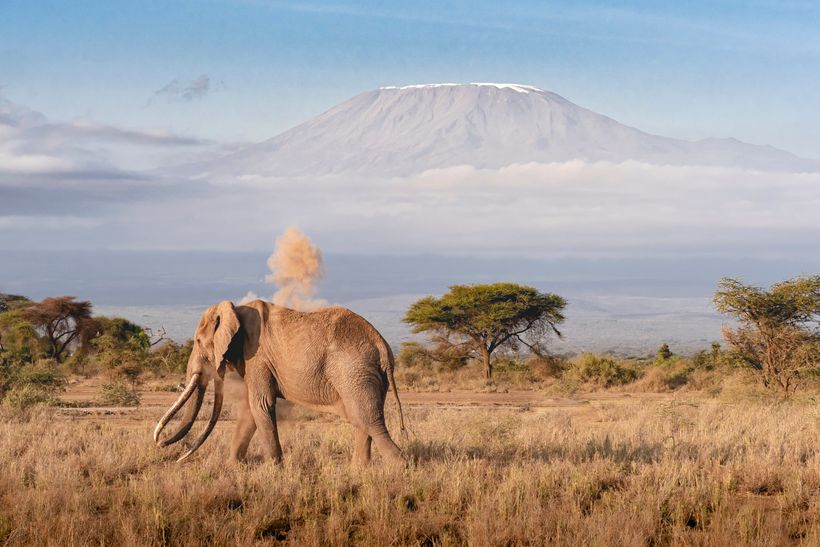
Achievement is often framed in clean, satisfying terms: set a goal, work hard, reach the finish line. It sounds orderly. Efficient, even. But anyone who has climbed Mount Kilimanjaro knows that real achievement rarely works that way.
Kilimanjaro has a way of stripping ambition down to its essentials. It is not a technical climb, which is part of what makes it so revealing. You do not need ropes, ice axes, or elite mountaineering credentials to stand on its summit. What you do need is patience, consistency, humility, and the ability to keep moving when progress feels painfully slow. In that sense, the mountain becomes a surprisingly honest teacher.
People often go to Kilimanjaro thinking they are chasing a peak. Many come back realizing they were really confronting their own ideas about effort, success, and what it means to earn something.
Achievement Stops Looking Like Talent and Starts Looking Like Process
In everyday life, achievement is easy to romanticize. We admire the finished result and compress the journey into a neat success story. Kilimanjaro resists that narrative.
From the first day on the trail, the mountain rewards a pace that can feel almost absurdly slow. Guides repeat the same phrase for a reason: “pole pole,” or “slowly, slowly.” At first, that advice can sound overly cautious. Then altitude begins to have its say. The hikers who charge ahead usually do not look nearly as confident a few days later.
That is where the shift begins. Achievement on Kilimanjaro is not about dominating the environment or proving toughness through speed. It is about respecting the process. Drink water. Regulate your breathing. Sleep when you can. Take the next step, then another. Small decisions, repeated with discipline, matter more than dramatic bursts of effort.
For people used to linking success with intensity, this can be unsettling. But it is also freeing. The mountain shows that sustainable progress often beats raw drive. It reframes achievement as something built through rhythm rather than force.

The Summit Becomes Only Part of the Story
Ask someone about Kilimanjaro before they go, and they will usually talk about Uhuru Peak. Ask them afterward, and the answer is often more complicated.
Yes, the summit matters. Standing at 5,895 meters is unforgettable. But the experience that changes people tends to happen earlier, in quieter moments: walking through rainforest in the morning mist, listening to boots crunch on volcanic scree in the dark, realizing that your body can adapt more than your mind believed it could.
Planning Changes the Experience More Than People Expect
One reason Kilimanjaro reshapes a person’s thinking is that preparation matters so much. Route choice, acclimatization days, group dynamics, guide quality, and pacing all influence what the climb teaches you. People who approach the trek thoughtfully often discover that good outcomes are rarely accidental. They are designed, then adjusted in real time.
That is why many climbers look into structured Mount Kilimanjaro ascent packages rather than treating the mountain like a casual bucket-list excursion. Not because the climb needs to be overproduced, but because the logistics and support systems can create the conditions for a safer, more reflective experience. On a mountain where success depends as much on judgment as grit, structure is not a shortcut. It is part of the lesson.
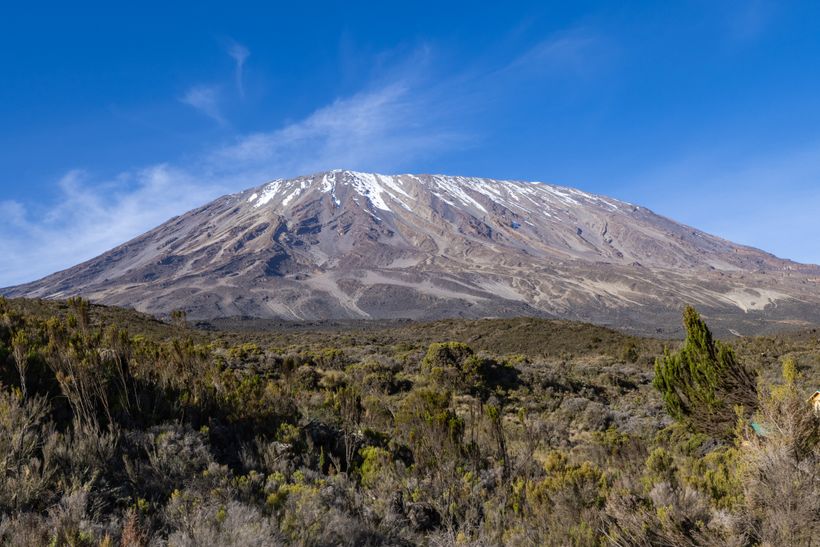
The Mountain Exposes the Limits of Pure Willpower
There is a popular idea that achievement comes down to wanting something badly enough. Kilimanjaro challenges that belief quickly.
At altitude, determination helps, but it does not override physiology. You cannot negotiate with a headache caused by reduced oxygen. You cannot out-hustle poor acclimatization. You cannot “mindset” your way past every physical limit. For many people, this is one of the most valuable parts of the climb.
Strength Looks Different Up High
On the mountain, strength is not always the person with the loudest confidence or the fastest stride. Sometimes it is the trekker who admits they need a slower pace. Sometimes it is the one who listens to their guide. Sometimes it is the decision to turn back when continuing would be reckless.
That kind of strength rarely gets celebrated in everyday achievement culture, which tends to favour relentless optimism and visible wins. Kilimanjaro makes room for a more mature definition. It teaches that resilience includes self-awareness. Wisdom counts. So does restraint.
For leaders, athletes, entrepreneurs, or anyone navigating high-pressure goals, that perspective tends to stick. After the mountain, achievement can feel less like conquest and more like calibration.
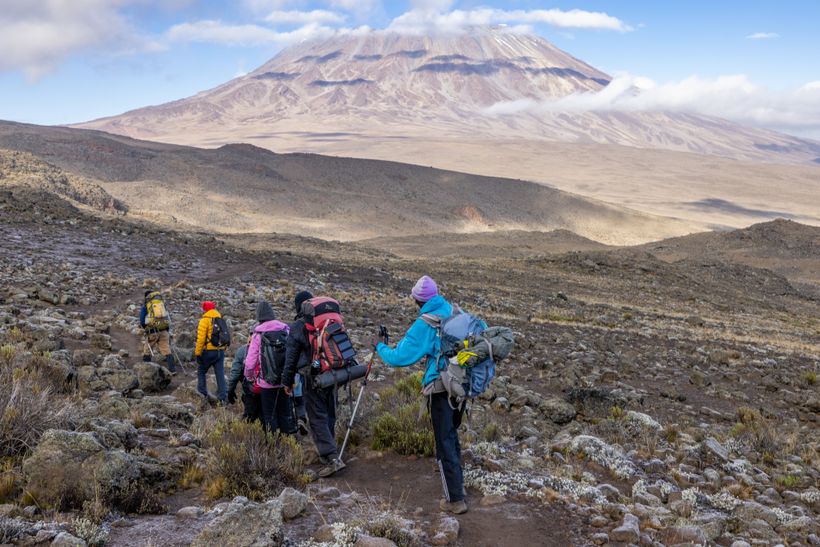
Shared Hardship Changes How Success Feels
Another shift happens in how people think about individual accomplishment. Kilimanjaro may be deeply personal, but no one climbs it entirely alone.
Guides set the pace and monitor health. Porters carry essential gear and make the camp function. Fellow trekkers share silence, nerves, encouragement, and exhaustion. By summit night, even strong individualists often understand something they may not have fully appreciated before: many meaningful achievements are collective, even when only one name appears in the story.
That recognition can be humbling. It can also be clarifying.
A climb like this reminds people to look more closely at the support systems behind every milestone. In work, in sport, in family life, success usually rests on invisible contributions. Kilimanjaro makes those contributions visible because the environment is too demanding to ignore them.
What People Bring Home From the Mountain
The most lasting impact of Kilimanjaro is rarely bragging rights. It is perspective. After days of measured effort, discomfort, and uncertainty, people often return with a different internal benchmark for what achievement means.
A few lessons tend to endure:
- progress does not need to be dramatic to be real
- preparation is part of success, not separate from it
- asking for support is not weakness
- discipline matters more than momentum
- reaching the goal is meaningful, but becoming equal to the journey matters more
None of this is exclusive to climbing, of course. That is why the mountain resonates so widely. Kilimanjaro becomes a concentrated version of challenges people already face elsewhere: long projects, career pivots, recovery, parenthood, leadership, or any pursuit that asks for endurance without immediate reward.
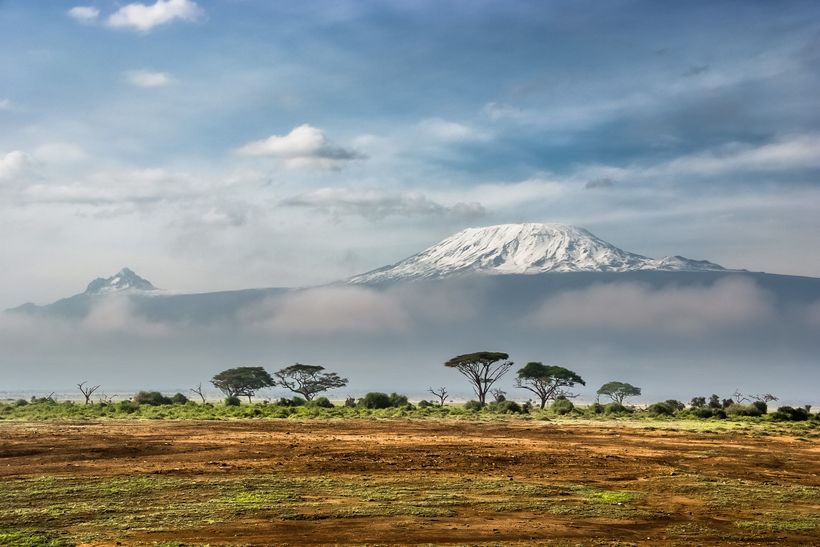
Why Kilimanjaro Leaves a Mark
Some experiences impress people. Others reorganize them. Kilimanjaro often does the latter.
It changes the way people view achievement because it replaces abstraction with reality. You feel what slow progress means. You see what preparation does. You learn that determination is powerful, but incomplete on its own. And perhaps most importantly, you discover that success can be both deeply personal and undeniably shared.
That is a harder, more useful version of achievement than the one most of us start with. Less glamorous, maybe. But far more durable.
And once you have walked a mountain one deliberate step at a time, it becomes difficult to believe that the best accomplishments in life were ever supposed to happen any other way.

More Blog Posts from Africa
- A Travel Guide To Namibia - The Most Surreal Country You Will Ever Visit!
- Where to Find the Big Five? The Ultimate Guide to Wildlife Safari in South Africa
- Volunteering with Wildlife and Children in South Africa
-
A Guide to Gorilla Trekking in Uganda
- Top 5 Africa Safari Spots to Experience the Magnificent Big Cat Life Up Close
- How Hard Is It to Climb Kilimanjaro?
- The Best Things to Do in Tanzania for Adventurers
Thank you for reading. If you like this article, please share!

About the Author:
Jennifer Anders is a freelance writer who has traveled extensively and enjoys exploring off-the-beaten-path locations around the world.
She loves hiking national parks, windsurfing, and photographing wildlife.
Aside from all those crazy activities, you'll also find her eating plenty of local street food. She is absolutely fearless when it comes to trying new things.